Episode 9 · 67:57
What It Takes to Market a Product When the Category Doesn't Fully Exist Yet
About this Episode
“Choosing a tool isn't just a functional decision; it's a signal of taste and belonging. That insight fundamentally changes how teams should approach messaging, design, and community-building.”
Topics Covered
Why category creation requires experimentation, not fixed positioning
How to market to developers by understanding identity, taste, and culture
The right way to approach emerging AI category language (and when to avoid it)
How to scale marketing across multiple audiences with a single core narrative
Why product-market fit does more heavy lifting than perfect messaging
How AI compresses feedback loops and enables faster experimentation
The shift from hiring teams to leveraging AI agents for scale
Why developer loyalty is fragile and how brand influences it
How to use influencers, UGC, and community to drive behavior change
Why breaking brand guidelines can sometimes create more impact than enforcing them
How AI-driven 'consensus' shapes your brand—and how to influence it
Why the future of marketing teams favors speed, experimentation, and adaptability
Frequently Asked Questions
Are developers really immune to marketing?
No — Ceci Stallsmith argues developers are deeply influenced by brand, identity, and culture, just less obviously; choosing a tool is a signal of taste and belonging, not a purely functional decision.
Why does Lovable avoid locking into buzzwords like "vibe coding" too early?
Category language in a fast-moving AI space can backfire if adopted too soon, so Lovable runs multiple messaging experiments simultaneously and lets the market determine what sticks.
How does AI change marketing experimentation?
The advantage isn't AI-generated content itself — it's how AI compresses feedback loops, letting smaller teams test more campaigns and learn faster than before.
How should companies respond to AI-driven "consensus" about their brand?
By actively flooding the ecosystem with fresh, credible signals rather than trying to erase outdated positioning that AI systems have already absorbed from years of content.
About the Guest
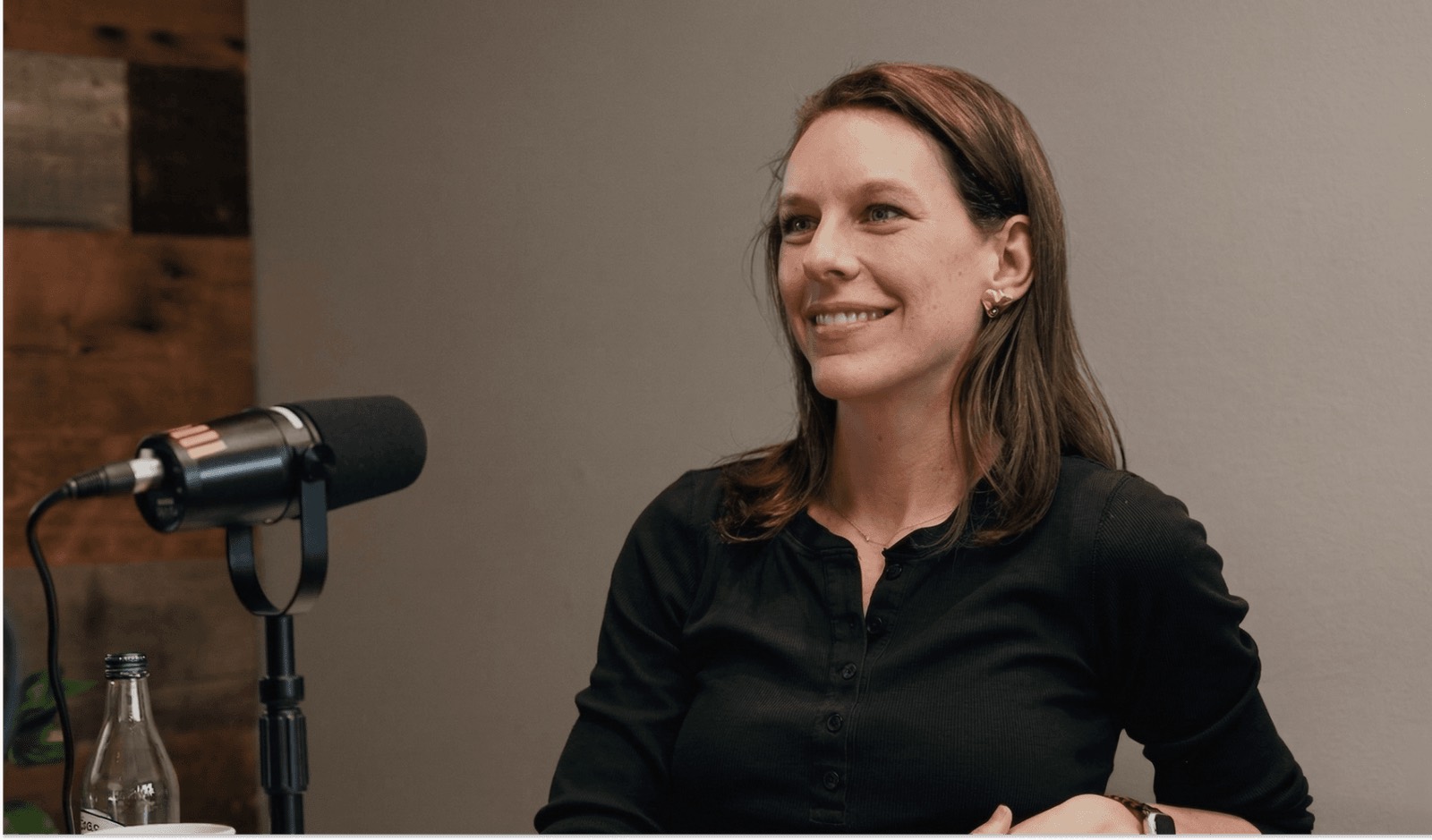
Ceci Stallsmith is the CMO at Lovable, where she leads marketing for a company redefining how software gets built. Her career spans scaling developer ecosystems, advising founders, and building brands at the intersection of product and community. At Lovable, Ceci navigates the unique challenge of marketing a product that serves multiple audiences—developers, non-technical founders, and enterprise buyers—while the category itself is still being defined.
LinkedIn →About the Hosts
Ethan Smith is Founder and CEO of Graphite Growth, a premium Vertical AI Growth Agency that helps companies like Webflow, Notion, MasterClass, and Captions drive sustainable revenue growth via SEO, content, and AEO (Answer Engine Optimization). Ethan is also an adjunct professor at IE Business School.
LinkedIn →Camille Ricketts is a Partner at XYZ Venture Capital, where she leads investments in product-led growth and go-to-market software startups. Prior, she was the first marketing leader at Notion, building out the brand, community, and more. She also founded First Round Review for First Round Capital, managed communications at Tesla, and reported for the Wall Street Journal.
LinkedIn →